Houston, TX · Garage Door Service
Maintenance for newer Atascocita garage doors, 18 miles from Houston - what a tune-up covers, what causes wear on 2005-era hardware, and what it costs.
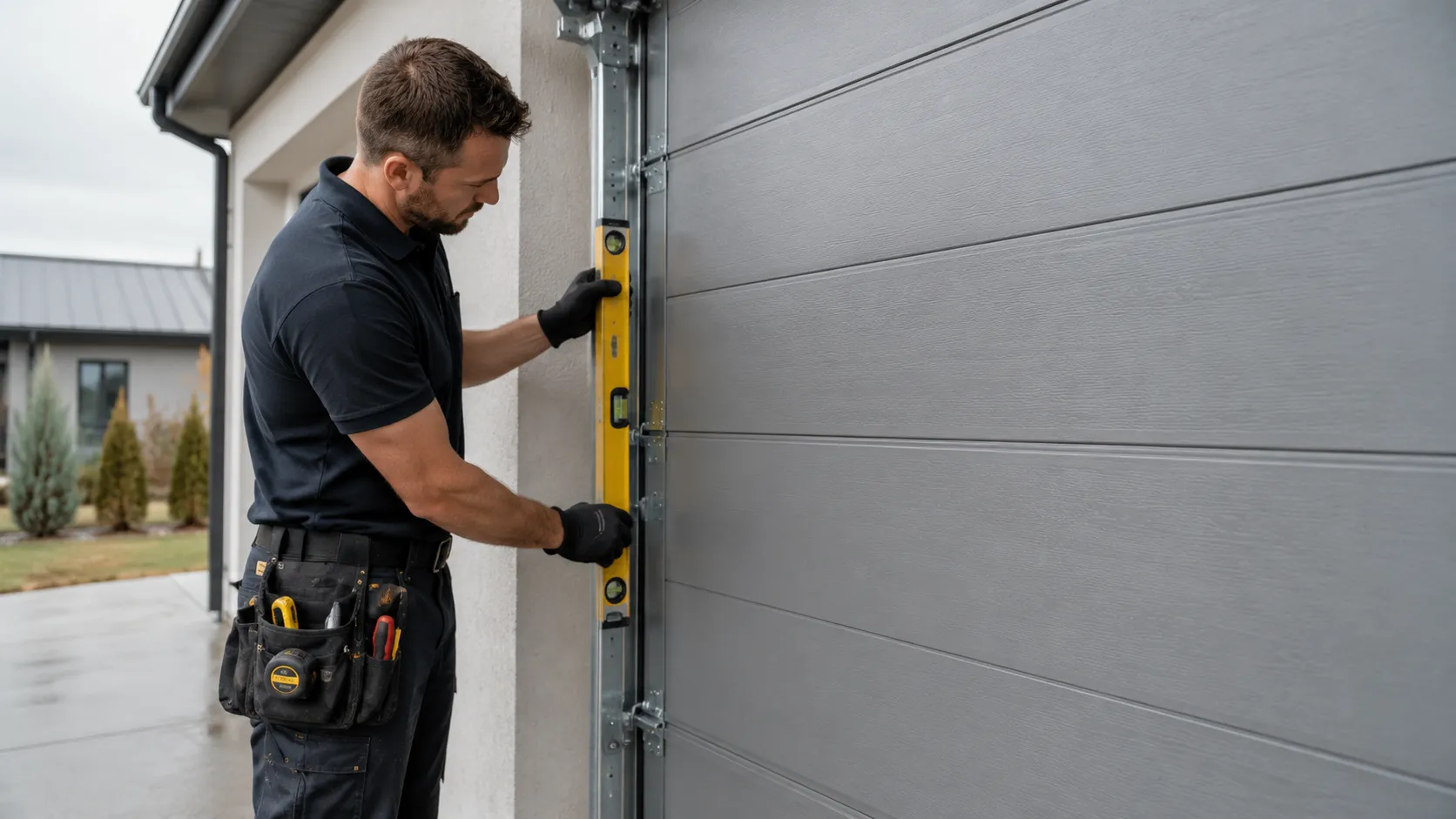
A maintenance visit isn't a repair - it's the work that keeps a repair from happening. On a door here, that means checking spring tension on the torsion bar, lubricating rollers and hinges, tightening the lag screws and carriage bolts that back out over years of vibration, checking cable wear at the drum, and running the opener through its force and travel limits. Because Atascocita is eighteen miles out from Houston, this doesn't happen as a drop-in - it's scheduled on a route, so the tech shows up with the tools and parts for a full tune-up rather than a single-issue call.
On a 2005-era door, most of this is opener-side work: sensor alignment, belt or chain tension, and the logic board settings that drift as components age. The hardware itself - track, drum, torsion spring - is younger than what you'd find on an older Houston-area house, so it's usually still within its working life. The visit still checks it, because a spring that's never been touched since installation is still a spring under load.
What doesn't get done on a maintenance call: full spring replacement, panel repair, or opener swap. Those are separate jobs, priced and scheduled separately, because they involve different parts and different risk.
There's real work here a homeowner can do between visits. Wipe down the tracks and check for dents or gaps where the roller rides. Look at the cables for fraying, especially near the bottom bracket. Listen for grinding or popping when the door runs - that's usually a roller or hinge asking for grease, and a silicone-based lubricant on the hinges, rollers, and tracks (not the torsion spring itself) will quiet most doors down.
What not to touch: the torsion spring and anything under tension. That spring is holding the full weight of the door coiled into a few inches of steel, and adjusting it without the right bar and clamp is how people end up with a hospital bill, not a quieter door. Same goes for the cables at the drum - if one looks frayed, that's a call, not a project.
One honest limitation: a visual check from the driveway won't catch a bearing that's starting to go or a spring that's lost 15% of its tension. Those show up as subtle changes in how the door balances, and they're easier to catch on a scheduled visit than to diagnose yourself before something breaks.
Housing in this pocket of the service area is newer than what you'll find closer to Houston's older neighborhoods - most of it went up around 2005, two decades newer than the 1956-2006 spread that runs across the rest of the territory. That matters for maintenance because the failure pattern is different. Older doors wear out mechanically: springs fatigue, tracks bend, torsion hardware corrodes. Newer doors here fail electronically first - opener sensors drift out of alignment, logic boards misfire, remotes lose sync - before the springs or tracks show real wear.
The climate plays a smaller but real role. This region sits in a mild band with occasional freezes, and even a handful of cold mornings a year is enough to stiffen grease in the rollers and tighten steel cable slightly, which shows up as a door that runs rougher for a week each winter. It's not the kind of extreme cold that cracks panels, but it's enough to matter on a maintenance schedule.
At a median household income of $114,443, homes in this part of the service area also tend to run heavier, insulated doors with more moving opener hardware - more to maintain, even if the door itself is younger.
A maintenance visit doesn't take the door out of service the way a repair can. Most of the work - lubrication, tightening, sensor checks, force adjustments - happens with the door operational the whole time, and the door goes right back to normal use once the tech packs up.
What does affect timing here is the drive. Because the crew is coming from Houston, eighteen miles out, maintenance visits in Atascocita get scheduled as planned appointments rather than same-day emergency stops. That's fine for a tune-up - nobody needs their door serviced in the next hour - but it does mean booking ahead rather than expecting a truck within the hour.
Once on site, a standard maintenance visit runs about an hour for a single door, longer for two. If the visit turns up something beyond routine wear - a cable close to failing, a spring showing real fatigue - that becomes a separate conversation about parts and scheduling, not something squeezed into the same stop.
The signs that a door in this area is due for maintenance usually show up as sound and feel before anything actually breaks. A door that used to run quiet and now grinds, pops, or squeals at a specific point in the track is telling you a roller or hinge needs attention. A door that hesitates, reverses on its own, or needs the remote pressed twice is usually an opener sensor or force-setting issue - common on the newer opener hardware that's typical here.
Uneven closing - one side of the door dropping faster than the other, or the door racking slightly in the track - points to spring or cable tension that's drifted out of balance. That's worth a call sooner rather than later, since an unbalanced door puts extra strain on the opener trying to compensate.
A door that's visibly slower to open than it used to be, or that stalls partway, is often a sign the opener is fighting worn hardware rather than the hardware itself failing outright. On a house from this era, that's more often a settings or sensor fix than a parts replacement.
We don't have a set number to quote here without knowing the door - single versus double, belt-drive versus chain, and whether anything beyond routine wear turns up during the visit changes the scope. What we can say is what drives the cost up or down: a straightforward single-door tune-up with no surprises is the cheapest version of this job; a double door, an opener that needs recalibration beyond a basic reset, or hardware that's drifted further than expected all add time.
Because the crew travels from Houston to reach Atascocita, the visit is priced as a scheduled appointment rather than a rush call, which keeps the cost tied to the work itself rather than to how fast someone got there. If the tech finds something during the maintenance check that needs more than a tune-up - a spring past its useful life, a cable close to snapping - that gets quoted separately before any work starts, so there's no surprise on the invoice for work you didn't ask for.
There's no single number that fits every door, but a door that's still within its first couple decades - which describes most doors in this area - holds up well with a check once a year. If the opener is doing more of the daily work than the spring and track, an annual sensor and force check catches small drift before it turns into a stuck door.
The visit is priced for the work done, not the mileage, but because Atascocita sits eighteen miles out, maintenance calls here are scheduled as planned appointments rather than fit in as a same-day extra stop. Book ahead rather than expecting a tech within the hour.
Housing in this part of the service area mostly went up around 2005, which means the mechanical hardware - spring, track, drum - is still fairly young. Opener electronics, sensors, and remotes drift out of calibration well before that hardware wears out, which is why maintenance visits here focus more on the opener side.
Call now or request a free quote - same-day service on most repairs, upfront written pricing.